Advice for New Residents

July 1, 2021

July 1st is finally here - the day when new intern physicians start their residency program and current residents advance to the next year of training, making them "seniors" or for those who graduated, "fellows" (and in some cases attendings). It's a huge day for all involved, whether it's exchanging a short white coat for a long one, being granted the chance to moonlight, or teaching the incoming doctors everything you wish you had known. It's also the start of an overwhelming few days, weeks, even months but this is normal and a great way to learn how to get comfortable in feeling uncomfortable.

The start of the first year of my Physical Medicine and Rehabilitation residency was so overwhelming with information being thrown at me in a million different packets, pdfs, e-mails, lectures, and more. There was no consolidated resource where I could find the information I needed to help me on call or rotation, whether it was understanding how to properly document, knowing who to contact, or figuring out the schedule. I vowed to create a handbook for future residents so no one ever had to feel the way I did. My classmates and I worked together, breaking down each rotation into a mini-orientation guide, explaining the on-call system, providing contact information, and even using approved Epic electronic medical records screenshots to show how to place orders. The next class was prepared with their own customized pocket-size handbook the way I wish I had been - complete with our Therapy Dog gracing the cover.


Because that is what we should always be doing as doctors and teachers: finding ways to improve one another by passing on what we learned. So here are a few things I wish I had known:

SPEAK UP: Not sure about something? ASK. Communication is key to ensuring everyone is on the same page, has all the information, and no one is missing anything.


TEAM UP: You are in this together with your co-residents. If you see someone struggling, step in to help them with the understanding that they would do the same for you. One of my favorite tactics was to tag team with my co-resident if they were available. We would see a patient together. One of us would document and start putting orders in while the other would take the history and do the physical exam. While we were capable of doing it on our own, we found it was a great opportunity to learn, see more patients, and save time.


FUEL UP: No, I'm not just talking about coffee. I'm talking about WATER. You are going to be so focused on treating your patients, you'll forget to drink water so it is essential that you remind yourself to stay hydrated. I carried around a one-gallon water bottle, which may have looked a little silly but I was never thirsty, especially on my inpatient rotations.


FILL UP: Fill those white coat pockets with snacks because you never know when you’re going to need an energy boost. My go-to was always a protein bar but careful they don't get squished!


WISE UP: That's right, it's time you combined your critical thinking, time management, and medical knowledge into quick decision-making action so you can be efficient and effective when it comes to treating your patients. Be sure to ask your seniors or attendings for tips and tricks especially regarding documentation and putting in orders. Simple keyboard hacks and smart phrases will save you so much time! Ask your seniors or attendings for tips and tricks especially when it comes to documentation and putting in orders. Simple keyboard hacks and smart phrases will save you so much time!


STAND UP: Stand up for yourself, your colleagues, AND your patients - this may be difficult as a resident but you have every right to advocate for yourself and others. Whether you think a patient is being discharged too early or call shifts are unevenly distributed, your voice matters.

Finally, recognize that these are the years for training, teaching, and learning. At the end of the day, the notes will get done and the orders will be placed but you have to ask yourself - What did you learn? What did you gain? What can you do better next time and how will this help your patients? Make sure you have an answer to each of these so you know you’re getting the most out of your training!


Any tips you'd like to share? Comment below!


How To Network

May 11, 2021

PC: @ptap48

Standing in line at Harry Potter World with my co-residents, I was SO excited to try the famous Butterbeer. We had just finished our AAPMR medical conference and the park was reserved for all of us attendees. I remember turning around to the woman behind me to ask her for a photo (pix or it didn’t happen). We struck up a conversation and discovered we were both physicians in Philadelphia. “I specialize in Cancer Rehabilitation,” she said, to which I replied, “What’s that?” She then invited me on the spot to spend elective time shadowing her to learn. Fast-forward to now and I am finishing up my fellowship year in Cancer Rehabilitation with her as my mentor!

This is my absolute favorite networking story because not only does it show the importance of connecting but it also shows how one conversation (and one Butterbeer) can change your future. Now, with the advantage of technology and social media, comes even more access to experts, mentors, and educational opportunities.


So how do you network? Here are six steps to break it down:


1. Be persistent and assertive but not aggressive 


Recognize your value and don't give up but only seek out connections that are engaged. 


2. Seize every opportunity


No matter where you are - an airport, a medical conference, on the bus, or at a dinner party - recognize that each encounter you have could lead to something bigger. Do not squander these. If someone offers to put you in touch with someone they think might be able to help, say YES. I found my PM&R elective rotation in medical school through a family friend. This later turned into a job opportunity but I had already decided on pursuing a fellowship.


3. Be prepared


Do your research and know your audience. What are the other person's areas of interest or expertise and how did they help you? Make sure you get their contact information/business card and that you have a business card of your own (along with resume, and/or portfolio depending on the situation) for the other person (ie job fair). When it comes to business cards, I always include my photo because it helps match the face to the name. This lets the other person remember you better and gives them a tangible piece of you to walk away with and have on hand for the future. Also, always have a pen available!


4. Be open-minded


Networking comes in all different forms. And technically they say we are connected to everyone in the world through six degrees of separation.


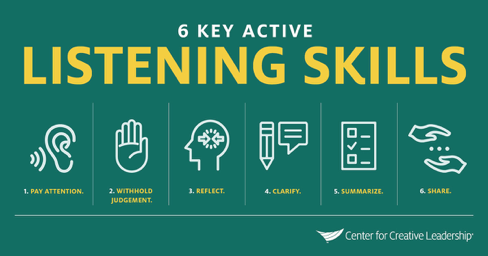
5. Be an active listener


This is a great skill set to have not just for networking but for connecting with other people, whether patients, colleagues, friends, or family.


6. Prepare your Elevator Pitch


This is a 30-second to two-minute statement of who you are, what you do, where you see a connection with the other person, why you’re valuable, and how you can help. Whether for a building your career, proposing a business idea, or overall establishing a connection, having this prepared can set the stage for the conversation and the future of the relationship.


Another great example of networking? My partnership with AmorSui Clothing, which led to me helping develop the Alice Hamilton antimicrobial gloves. This happened in part because of a connection made on social media and in part because of a colleague who encouraged me to get my MBA. So remember, it could happen anywhere, including right here! And you never know which opportunity could land you in Forbes magazine😉


So the key takeaway is, you never know who you will meet and when so take advantage of every opportunity…


Unmasking Rehab Medicine

May 4, 2021

The following interview with Temple University catalogs my own experiences this time last year, unmasking the role of Rehab Medicine during the COVID-19 pandemic. As today is Star Wars Day, I thought it was a perfect reminder of the Force that lies within each of us and how my medical specialty of Physical Medicine and Rehabilitation helps patients rediscover that power. Thank you to Rebecca Mayeda, MD candidate for reaching out to interview me, share my story, and create this portrait:

Unmasking Rehab Medicine During COVID - An Interview with Dr. Alyssa Cole

By: Rebecca Mayeda, Lewis Katz School of Medicine Class of 2023


Dr. Alyssa Cole is a Physical Medicine and Rehabilitation physician, having recently finished her PM&R residency training in Philadelphia. She is now specializing in Cancer Rehabilitation as the city’s first Cancer Rehabilitation fellow physician. Back in medical school, Dr. Cole learned about the field after completing a preceptorship at a rehabilitation hospital. “As an osteopathic physician, I have a strong understanding of anatomy, the musculoskeletal system, and the nervous system. Rehabilitation allows me to combine these interests in order to help patients regain their quality of life.” Initially, she did not know about the field of physical medicine and rehabilitation. She told her family how she wished she could be the physician overseeing the medical management of patients in therapy. It was that moment when her father turned to her and said, “you’re talking about physiatry.” It turned out that before she was born, her father was a research assistant for a physiatrist and so, in a way, Dr. Cole thought, “maybe it was embedded in my DNA... meant to be.”

Continuing to explore the field through elective rotations, Dr. Cole enjoyed seeing the progression and continuity of care as patients made their way through rehabilitation. Dr. Cole remembered meeting a stroke patient who had difficulty standing, but after a month of comprehensive therapy, was able to walk across the room and hug her children. “Knowing that I could be the cheerleader for her, and also having been a cheerleader, I felt like [PM&R] was the best of both worlds.” Dr. Cole described PM&R as “a hidden gem that not many people know about... it’s a field devoted to improving the functionality and quality of life of patients with a focus on neurological and musculoskeletal conditions.”

Dr. Cole explained how through PM&R you can either practice general physiatry or pursue more specialized interests such as sports medicine, pain, spinal cord injury, traumatic brain injury, cancer rehabilitation, and palliative care. She said that sometimes when people hear ‘PM&R’ or ‘physiatry’ they think of psychiatry or pediatrics, which is why it is important to bring awareness to the field and educate the public about what these doctors offer patients.

Amidst the pandemic, outside of the hospital, Dr. Cole limited her normal activities to socially distance, arranged for groceries to be delivered, and canceled travel plans to visit family. At the beginning of the pandemic, she was on her EMG (electromyography) rotation, but due to administrative changes and restrictions on outpatient clinics, she was instead placed on reserve in case other physicians became ill. This meant that she served as a backup both for her PM&R residency as well as for the internal medicine resident physicians.

During this time, Dr. Cole was also moonlighting at a suburban rehabilitation hospital, where she had the opportunity to take on more attending-level responsibilities. Here she managed all of the rehabilitation patients, in addition to twenty patients recently added to a unit dedicated to COVID. “These were extra shifts I was taking on that I didn’t need to as part of my residency training, but I knew the hospital needed the help,” said Dr. Cole. She worked there a few times a month always in 24-hour shifts.

Thinking back to the height of the pandemic, Dr. Cole reflected on how “the stress of everything was difficult to manage. I remember walking into the hospital one day and, as I looked down, I saw there were chalk drawings and messages all over the ground in front of the entrance. They said ‘Thank you,’ ‘Heroes work here,’ ‘We appreciate you,’ ‘You’re saving lives,’ and it just made me cry.” She remembered at the time being surrounded by a group of other employees, nurses, and therapists, and she said, “We just all started bawling because it was just such a powerful message to read. And it meant a lot. This is what you do for your job every day and you never think of yourself as a hero.” Dr. Cole said she is so appreciative of her colleagues, the nurses she works with, the therapists, the environmental services team, the aides, and the technicians, explaining, “It takes a village.”

During one of her 24-hour shifts, Dr. Cole recalls getting paged about a patient who spiked a low-grade temperature. “All of us suddenly start thinking COVID,” said Dr. Cole, knowing the patient had been on a floor where another individual had tested positive for COVID. After donning the proper PPE and examining the patient, Dr. Cole remained concerned. While the patient did not have any other symptoms, no cough, no shortness of breath, her temperature remained elevated with no obvious source. In addition to ruling out common causes of fevers like a urinary tract infection, Dr. Cole sent for a COVID test. “I would rather be safe than sorry. Whenever you order something you have to ask yourself how is this going to change my management, and so by ordering it, if it came back positive then we would know if we needed to isolate the patient in the cohort COVID unit, keep her more closely monitored, or obtain a chest x-ray. If she came back negative, then we would feel more comfortable where she was and look for other sources of infection.”

Around one o’clock in the morning, Dr. Cole received a call and found out that her patient tested positive. The patient had been progressing well in therapy and was otherwise medically stable such that she was supposed to be discharged a few days later. However, with this new diagnosis, plans changed. When the patient asked Dr. Cole if she was going to die, Dr. Cole reassured the patient, telling her that luckily, they had caught the virus early and they would monitor her closely in the COVID unit. “Hearing your patient say that to you and also recognizing this is a new disease [where] there isn’t enough evidence-based medicine...is just a jarring sensation and emotionally taxing. Sometimes the best thing you can do for your patients is to just be there to listen to them and help them through their concerns.”

In cases where patients with COVID were medically stable, Dr. Cole said that they might be admitted to a rehabilitation facility as was the case where she worked, as opposed to an acute care hospital. This helped to free up space in the main hospitals for patients with higher acuity medical issues. However, patients who were in more critical condition due to COVID would instead go to the acute care hospital, where they could be managed in the intensive care unit (ICU) if necessary, with some requiring intubation. She said that once these patients have recovered, they will need rehabilitation for deconditioning as well as other issues such as critical illness neuropathy, dysphagia, and malnutrition.

“Everyone focuses on the statistics of COVID and the mortality rate, but nobody focuses on how once people have recovered, though it wasn’t fatal for them, they now have long-lasting effects,” said Dr. Cole. “Yes, they survived, but at what cost to their bodies? Many of them will likely need intensive physical, occupational, and speech therapy to regain their strength and endurance. If there is any specialty that is going to be in high demand, and that we need more doctors for, it is physical medicine and rehabilitation. These are the doctors that will get these patients functioning again, to get them back to their quality of life, and back into their homes and the community.” She noted that some patients who were previously healthy have been in a hospital bed for months. This increased length of stay can lead to muscle atrophy, pressure ulcers, kidney damage, lung damage, and other medical complications whether from the virus or overall hospital course.

Dr. Cole also saw how insurance protocols and policy changed in response to the pandemic. “It was almost like the focus shifted to saving the patient, forget about the paperwork, forget about the insurance coverage.” Especially for rehabilitation medicine, Dr. Cole said, “Things changed drastically and rapidly to get patients who were no longer required to be in the acute care hospital into rehab, where before they needed to jump through all of these hurdles to qualify for acute comprehensive rehab.” She noted in particular Medicare changed a lot of its requirements to accommodate the influx of patients. Dr. Cole hopes this approach to patient care will continue beyond the pandemic to benefit patients, especially as it relates to preventative medicine. She discussed how the lack of preventative care reimbursement impacts so many fields in medicine, including PM&R. “The most frustrating part is that [insurance companies] wait until it becomes an acute issue to provide coverage. Had they covered it months ago when it would have been a preventative measure, [patients] could have avoided these astronomical healthcare expenses, operations, interventions, medications, and diagnostic testing.”

As her PM&R residency has ended, Dr. Cole says she’s excited for what’s ahead — she is now in her second month of fellowship in cancer rehabilitation and has already learned so much. She explained, “Last week I high-fived a patient in clinic who survived cancer and COVID. It is the most rewarding population to work with because they have a new lease on life, they are so appreciative of your help and receptive to your recommendations.”

R. Mayeda is a second-year MD candidate at the Lewis Katz School of Medicine at Temple University in Philadelphia, Pennsylvania.

Twitter: @BeccaMayeda


This interview was originally published November 20, 2020 here: https://medicine.temple.edu/education/narrative-medicine-program/interview-dr-alyssa-cole

DO Day on the Hill

March 15, 2021

Kicking off Match Week with a recap of the American Osteopathic Association's DO Day on the Hill conference. Match Week is when fourth-year medical students find out first if they matched into residency and finally where they matched. It dictates their next chapter while also helping shape the future of medicine.

To ensure these rising physicians are entering into a supportive medical environment, my colleagues and I devoted our time to the DO Day on the Hill: A Leadership Development and Advocacy Summit. We heard from keynote speakers including Duke University's Senior Policy Fellow, Susan Dentzer, who reviewed the current US Administration's plans to address the pandemic, medical coverage, and cost with a focus on value-based care. The CDC's Deputy Director for Infectious Disease, Dr. Jay C. Butler, took time during his speech to acknowledge the hard work Osteopathic physicians and medical students are doing to help overwhelmed healthcare systems.

We spoke with Congress's Representatives and Senators to discuss three key important healthcare issues: physician burnout, preventing Medicare cuts, and graduate medical education funding. As the AOA states, "while these issues did not arise under the COVID- 19 public health emergency, the pandemic has exacerbated existing problems."

I discussed physician burnout, a topic that is especially relevant as many medical students find out where they will be doing residency training. Healthcare professionals experience high levels of stress as part of their day to day lifestyle. Prior to the pandemic, 45-55% of medical personnel reported feeling burnout. In the United States, doctors have the highest suicide rate out of any profession. It is crucial these incoming residents have the support and resources needed including mental and behavioral health support and wellness resources. The Dr. Lorna Breen Health Care Provider Protection Act (S. 610) aims to "support suicide prevention training, increase awareness and education on suicide and mental health concerns among health care professionals, and helps promote mental and behavioral health among those working on the frontlines of the pandemic," (Federal Advocacy Initiatives). This bill was recently re-introduced to the Senate and our hope is that it soon becomes law.

For those who found out they matched today, congratulations! I am so proud of all of you and it has been amazing to have the opportunity to mentor several of you. For those who did not receive the news they were hoping for, you worked so hard and have come so far - now is NOT the time to give up. Now is NOT the time to feel burned out. Not matching does not dictate your success as a physician. One of my best friends scrambled into a residency spot through SOAP and she is now a thriving Internal Medicine physician who loves her career, her patients, and her lifestyle. I am excited to see where everyone ends up matching on Friday and hope our efforts on Capitol Hill positively impact your training and education. I encourage you all to get involved with shaping healthcare policy to advance the practice of medicine and patient care. Check out the AOA's website to learn more HERE.


Reference:

Federal Advocacy Initiatives, n.d. American Osteopathic Association. Retrieved March 15, 2021 from 

    https://osteopathic.org/about/advocacy/federal-advocacy-initiatives/

© daily dose of vita. Design by FCD.