Spread Thanks Not Viruses
November 21, 2020


In March, many of us healthcare professionals were praised as heroes. However, since then, we have been subjected to unfounded criticisms, baseless lies, and false accusations. Attempts have been made by the news to discredit our credentials and devalue our efforts as we continue to work tirelessly to prevent the spread of infection.
Despite this, I have received so many overwhelmingly positive responses from followers, friends, and family. The support has drowned out all the negative comments and backlash as well as bolstered our confidence that we can and will fight this disease. Pfizer and BioNTech both filed with the FDA for emergency use authorization of their COVID19 vaccine candidate. This brings hope and promise to what has felt like a neverending lockdown but does not change our current situation. We must continue adhering to safety measures including wearing a mask, social distancing, and washing our hands. The CDC has released a statement advising against traveling for the holidays.

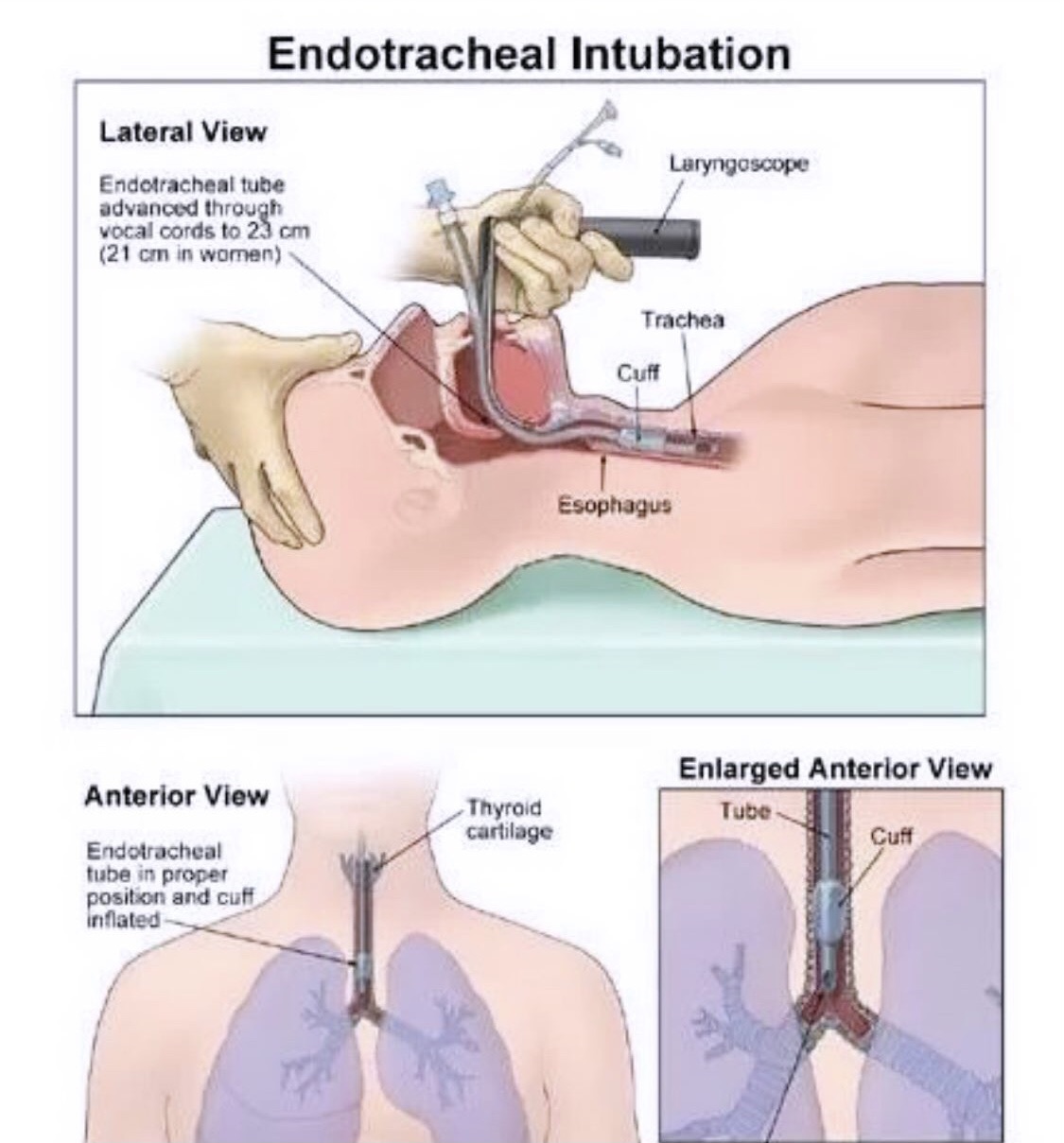
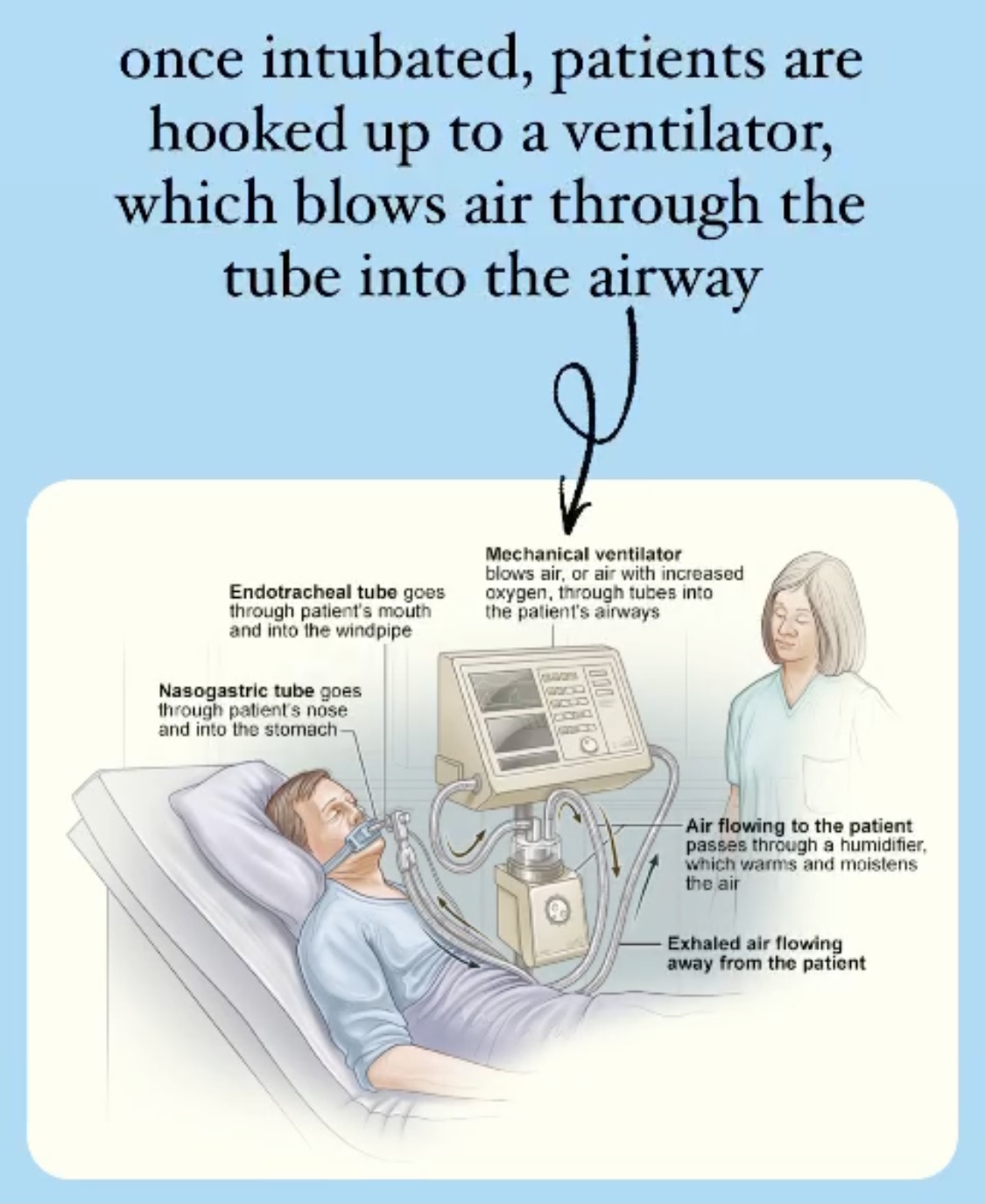
Healthcare systems are already strained with several at maximum capacity. Words like "intubation" and "ventilators" are now common headlines on news outlets. Even with being household names, the majority of the general public does not understand the gravity of what these medical terms mean. When COVID19 cases are severe enough, patients are admitted to the hospital, and, in some cases, intensive care units, where they can be closely monitored.



Path to Becoming a DO
October 21, 2020

It’s a marathon, not a sprint. I say this to my patients and medical students all the time. Everyone’s journey to medical school is unique - some matriculate straight from college, others take time off or have an entire career before deciding on medicine (in my medical school class we had a nurse, a lawyer, and an opera singer). Whatever path you’re on, keep a steady pace, don’t lose sight of what’s ahead, and know that you will get to the finish line.
I chose DO over MD when it came to applying for medical school because I admired the holistic philosophy and osteopathic approach. I liked the idea of having osteopathic manipulative medicine as an extra alternative tool to offer patients. I also shadowed a DO who inspired me to go to his medical school - the way he interacted with his patients, getting down at eye level, taking a seat to focus on them and not the computer or documentation, how he knew each patient's story made me aspire to be like him. And you can too! Here is a simple outline of how to become a DO. Plus you can keep scrolling to learn more about my own path:

- 4 years of undergraduate in any major as long as you complete pre-med requirements.
- I earned a B.S. in Biology and B.A. in Classics
- I loved combining the arts and sciences and was even able to travel abroad three times (London, Italy, and the Netherlands).
- Learning Greek and Latin helped me with medical terminology as well.
- One thing my dad taught me was not to judge a school (whether college or medical school) by its name but by the curriculum and the professors - learn about their background and teaching styles, what the course structure is for however many years. Get a feel for if it offers what you're looking for and if it can help you achieve your future goals.
- Get involved in extracurriculars like clubs/organizations, volunteering, shadowing, and research.
- I was an EMT, as well as an ER volunteer, research assistant for several labs, and more.
- I shadowed DOs and MDs during college for early clinical exposure.
- These experiences introduced me to patient care, which helped solidify my desire to become a doctor.
- Take MCAT exam, apply, interview, get accepted to medical school. I summarized this in one line but, of course, it’s not that easy.
- I took the MCATs twice to work on improving my score. Fun fact, I applied to medical school while I was doing research in the Netherlands...talk about a challenge - coordinating all the paperwork and making phone calls from another country is not easy, especially with time zone differences.
- I was accepted my first time applying but I know some incredible doctors who didn’t get in until their 2nd or 3rd cycle.
- As I said in the beginning, not everyone goes to medical school right away and that’s NORMAL. I matriculated straight out of college but I had classmates who took time off or had an entire career before deciding on medicine - one was a nurse, one was a lawyer, and one was even an opera singer.
- If you want it badly enough, you will succeed.
- 4 years medical school with OMM (Osteopathic Manipulative Medicine) courses.
- This is broken down into two years of medical knowledge (think - hitting the books) and two years of clinical rotations (where you are actually working in clinics/hospitals).
- Don’t forget to get involved in clubs/organizations, research, and volunteer opportunities. That’s right - on top of endless studying, exams, and reviews you want to keep building experiences that will help you find and match into your future specialty.
- Take COMLEX Levels 1, 2, and 3 (+/- USMLE)
- These are the medical school board exams you need to pass as a DO (one of which includes a clinical skills portion).
- I also took USMLE (specific for allopathic or MD) but now that residency programs have merged, it’s not really necessary and IMO it’s a money grab.
- Apply, interview, and match into residency (3-7 years on average +/- fellowship).
- By now you have graduated from medical school and have earned the title of "Doctor" but are still in need of refining your clinical and diagnostic skills. This involves additional training in your chosen specialty.
- Note that not everyone goes into residency right away or at all - it depends on how you want to use the DO degree. I knew some doctors who chose to work in research, quality improvement/medical startups, and pharmaceutical industries with their knowledge rather than go into clinical practice.
- The match process itself is weirdly kind of similar to a dating app. More info in future posts. I ended up in Philadelphia at one of my top choices for Physical Medicine and Rehabilitation.
- Once you’ve graduated from residency you have the option to further specialize in fellowship. For example, I’m doing Cancer Rehabilitation, helping medically manage and optimize patients' functionality and quality of life before, during, and after cancer treatments.

Finally, this time next year I will have reached the metaphorical “finish line” and be able to call myself an attending! But that doesn't mean it's over. A doctor is a lifelong learner, helper, and healer.
Questions? Feel free to DM me on IG (@doctor.cole), send me an e-mail, or leave a comment below!
What is OMM?
October 8, 2020


OMM, also known as Osteopathic Manipulative Medicine or OMT for Osteopathic Manipulative Treatment, is an additional skill we as DOs have to offer patients literally at our fingertips. This set of hands-on techniques is used to assess for and treat structural and functional issues related to the muscles, tissues, joints, and bones of the body. These include soft tissue and myofascial release (reminiscent of massage therapy) as well as high-velocity low amplitude and articulatory methods. OMM is similar to a Chiropractor's manipulations but with a different approach and understanding of the anatomy and musculoskeletal system.


Osteopaths are also trained in these maneuvers. However, osteopaths differ from doctors of osteopathic medicine in that they are not trained to prescribe or practice medicine. Osteopaths are more commonly found outside the US.

And finally, the doctor for the next President of the United States is a DO. With that in mind, to all the countries (speaking to you, Canada) and celebrities (Cher and Bess Kalb) trying to discredit DOs, please stay in your lane.

Thank you for reading. Please pass this on to those who may not be informed. And ask your doctor if OMM is right for you - never underestimate the healing power of touch.
DO vs MD: What's The Difference?
October 6, 2020

DOs may be less common but we are not less than MDs. It takes years to receive the education and training needed to be a US physician but minutes to destroy our reputation. The media is capitalizing on the healthcare crisis and trying to discredit DOs because of the current political arena. CNN and NPR implied Dr. Sean Conley was less qualified because he was a "non-MD" or DO (Doctor of Osteopathic Medicine - a field of medicine whose founding father was an MD). They thank us one minute then defame us the next.

We must #stoptheignorance and educate the public. Despite making up 11% of the nation’s doctors, a number that is quickly growing, we are just as qualified to practice medicine as MDs and adhere to the same standards of care. We are working tirelessly during this pandemic to treat patients, not TV personalities.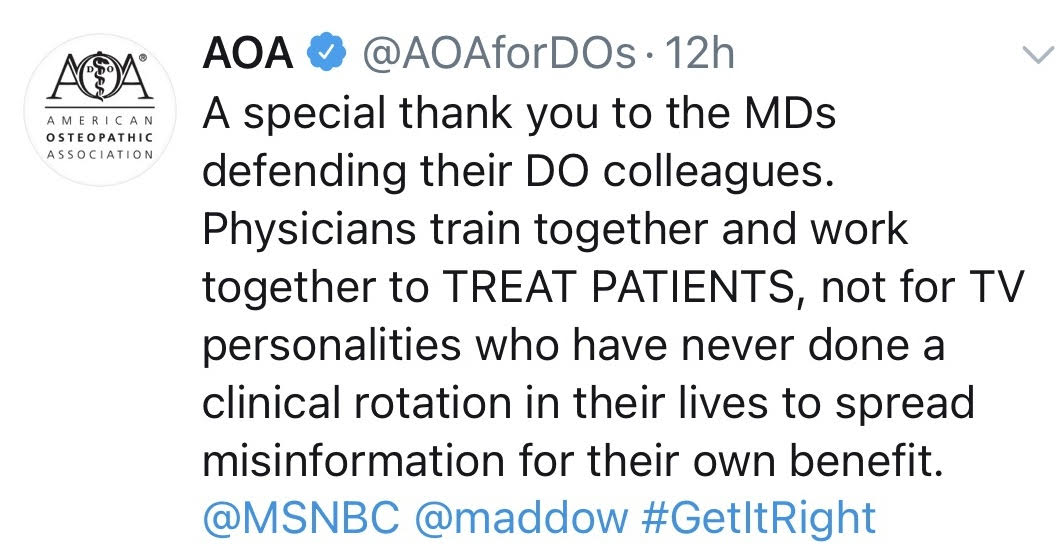
As an osteopathic physician (otherwise known as a DO), we receive the same education as our allopathic or MD counterparts with an additional 250+ hours of training on osteopathic manipulative treatments. Being able to offer an alternative or adjunct treatment to patients gives us a powerful tool right at our fingertips. The following is a list of key differences and similarities between DO and MD degrees:

Osteopathic manipulative medicine (OMM - also known as OMT for Osteopathic Manipulative Treatment) is a set of hands-on techniques used to assess for and treat tissue texture changes, asymmetry, restriction, and tenderness. These techniques include soft tissue and myofascial release (reminiscent of massage therapy) as well as high-velocity low amplitude and articulatory methods. This is similar to a Chiropractor but with a different approach and understanding of the anatomy and musculoskeletal system. We utilize different characteristics and body mechanics to manifest structural changes through positioning, palpating, and balancing planes of motion. These practices can be performed directly into the barrier or indirectly into a position of ease. They can be done actively with the patient contracting their muscles or passively with the muscles relaxed. Learn more HERE.

While residency programs have merged and we train side by side with MDs, the holistic philosophy of our schooling remains ingrained in our approach to patient care. We promote the body’s natural tendencies toward self-healing, self-regulation, and health. We focus on treating the patient as a whole and not just the disease. Below is a list of our four Osteopathic Tenets.


Social Icons